
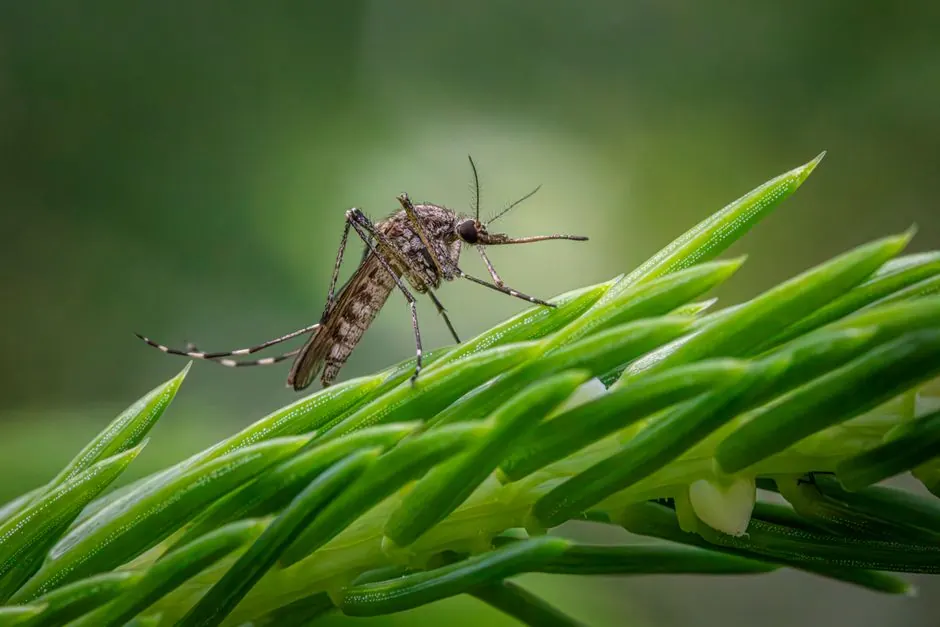
Miami's warm, humid summers create an ideal breeding ground for mosquitoes, making them a persistent nuisance for residents. These pests not only disrupt outdoor activities but also pose significant health risks. In this article, we'll explore the reasons behind the mosquito problem in Miami during summer and discuss effective strategies for control, including the services offered by mosquito control in Florida.
Understanding the Mosquito Problem
To grasp why mosquitoes are such a problem in Miami, it's essential to understand their biology and behavior. Mosquitoes thrive in warm climates, and Miami's tropical environment provides the perfect conditions for their reproduction. Female mosquitoes require standing water to lay their eggs, which can be found in various locations around homes and neighborhoods.
Common breeding sites include:
- Stagnant ponds and marshes
- Flower pots and bird baths
- Blocked gutters
- Old tires
- Any container that collects rainwater
With Miami's abundant rainfall and humidity, these conditions lead to a rapid increase in mosquito populations during the summer months.
Why Summer is Peak Mosquito Season
Summer in Miami is characterized by high temperatures and frequent rain, creating an environment where mosquitoes can thrive. The average summer temperature hovers around 90°F, and the humidity often exceeds 70%, which is conducive to mosquito activity.
During this season, mosquitoes are not only more numerous but also more aggressive. They become more active during dawn and dusk, making outdoor activities less enjoyable. Understanding this seasonal pattern can help residents take proactive measures to reduce mosquito populations.
Common Mosquito Species in Miami
Several mosquito species are prevalent in Miami, each with unique characteristics and behaviors. The most common include:
- Aedes aegypti: This species is known for transmitting diseases such as dengue fever and Zika virus. They prefer urban environments and breed in artificial containers.
- Aedes albopictus: Also known as the Asian tiger mosquito, this species is aggressive and can transmit similar diseases. They are adaptable and can thrive in various environments.
- Culex quinquefasciatus: Commonly known as the southern house mosquito, this species breeds in standing water and is known for transmitting West Nile virus.
Recognizing these species can help residents understand the risks associated with their presence and take appropriate action to control them.
Health Risks Associated with Mosquitoes
Beyond their annoying bites, mosquitoes are vectors for several serious diseases. In Miami, the risk of mosquito-borne illnesses increases during the summer months. Some of the health risks include:
- Dengue Fever: A tropical disease transmitted by Aedes mosquitoes, characterized by high fever and severe headaches.
- Zika Virus: Also transmitted by Aedes mosquitoes, Zika can cause birth defects if contracted during pregnancy.
- West Nile Virus: Carried by Culex mosquitoes, this virus can lead to severe neurological diseases.
Being aware of these health risks can motivate residents to implement effective mosquito control measures.
Effective Mosquito Control Strategies
Managing mosquitoes requires a multi-faceted approach that includes both prevention and control strategies. Here are some effective methods:
- Eliminate Standing Water: Regularly check your property for areas where water collects and eliminate them. This includes cleaning gutters, emptying containers, and maintaining pools.
- Use Insect Repellents: When outdoors, apply EPA-registered insect repellents containing DEET, picaridin, or oil of lemon eucalyptus.
- Install Screens: Ensure that windows and doors have screens to keep mosquitoes out of your home.
- Professional Mosquito Control: Consider hiring professionals for comprehensive mosquito control in Florida. They can provide treatments that effectively reduce mosquito populations.
Implementing these strategies can significantly reduce mosquito activity around your home.
Common Mistakes to Avoid
While many homeowners take steps to control mosquitoes, some common mistakes can undermine their efforts:
- Ignoring Breeding Sites: Failing to regularly check for and eliminate standing water can lead to rapid mosquito population growth.
- Inconsistent Repellent Use: Not applying insect repellent consistently can leave you vulnerable to bites.
- Neglecting Professional Help: Trying to manage a severe infestation without professional assistance can lead to frustration and ineffective results.
Avoiding these pitfalls can enhance your mosquito management efforts.
When to Call a Professional
If you find that your mosquito control efforts are not yielding results, it may be time to call in the experts. Florida Pest Services offers comprehensive solutions tailored to your specific needs. Our professionals can assess your property, identify breeding sites, and implement effective treatments to keep mosquitoes at bay.
Frequently Asked Questions
How can I prevent mosquitoes from entering my home?
To prevent mosquitoes from entering your home, ensure that all windows and doors are fitted with screens. Regularly check for any gaps or holes that might allow them inside.
What time of day are mosquitoes most active?
In Miami, mosquitoes are most active during dawn and dusk. It is advisable to take extra precautions during these times to avoid bites.
Can mosquitoes breed in my backyard?
Yes, mosquitoes can breed in your backyard if there are areas of standing water. Regularly inspect your yard and eliminate any potential breeding sites.
What should I do if I get bitten by a mosquito?
If bitten, wash the area with soap and water, then apply an anti-itch cream or take an antihistamine to relieve discomfort. If you experience severe reactions, seek medical attention.
How often should I have mosquito control treatments?
For effective mosquito control, it is recommended to have treatments every 21 days during peak season. This helps to break the mosquito life cycle and reduce populations.