
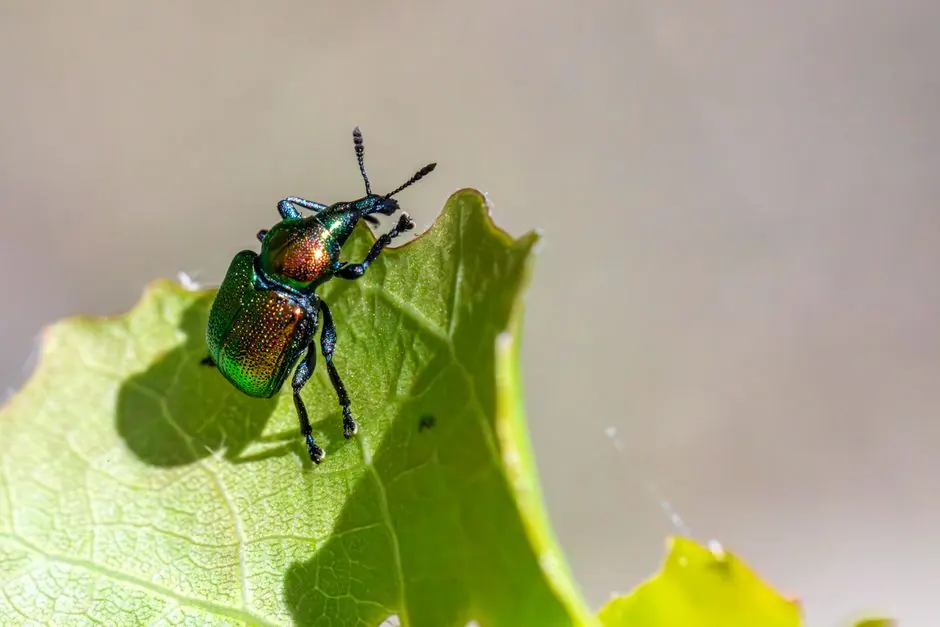
Pest control is crucial for maintaining a safe and healthy home, especially in Florida's warm climate where pests thrive. Understanding the regulations governing pest control can help you comply with local laws and ensure effective pest management. This article covers the top five pest control regulations every homeowner in Florida should know.
Introduction to Pest Control Regulations
Florida has specific laws and regulations regarding pest control to protect homeowners and the environment. These regulations ensure that pest control services are performed safely and effectively. Familiarizing yourself with these rules can save you from potential legal issues and enhance your pest management strategies.
Licensing Requirements in Florida
In Florida, pest control operators must be licensed by the Florida Department of Agriculture and Consumer Services (FDACS). This licensing ensures that pest control professionals have the necessary training and knowledge to handle various pest issues. Homeowners should always verify that their pest control provider holds a valid license. To check the license status, you can visit the FDACS website or contact them directly.
Additionally, there are different types of licenses depending on the services offered, including:
- General pest control
- Termite control
- Fumigation
- Wildlife control
Each category requires specific training and examinations, ensuring that pest control operators are well-equipped to handle the challenges they face. If you're considering pest management, always choose a licensed professional to ensure safe practices.
Pesticide Use and Safety
Florida regulations also dictate how pesticides can be used. The state mandates that all pesticides must be registered with the Environmental Protection Agency (EPA) and the Florida Department of Agriculture. When hiring a pest control service, inquire about the pesticides they use and ensure they are compliant with state regulations.
Homeowners should also be aware of safety precautions when using pesticides. Here are some important safety tips:
- Always follow the manufacturer's instructions.
- Wear protective gear when applying pesticides.
- Keep pets and children away from treated areas until it is safe.
By adhering to these guidelines, you can minimize health risks associated with pesticide use and ensure a safer environment for your family.
Environmental Protection Regulations
Florida is home to a diverse ecosystem, and protecting it is a priority. Regulations exist to prevent pesticide runoff and contamination of water sources. Homeowners should be mindful of where and how they apply pesticides, particularly near bodies of water.
For instance, if you live near wetlands or coastal areas, be aware that certain pesticides may be restricted due to their potential impact on wildlife. Always consult with your pest control provider about environmentally friendly options, such as Florida pest management practices that minimize environmental impact.
Consumer Rights and Responsibilities
As a homeowner, you have rights when it comes to pest control services. Florida law requires pest control companies to provide you with a written contract detailing the services to be performed, including the types of products used and the expected results. You also have the right to ask questions and request information about the treatment process.
Moreover, homeowners are responsible for preparing their homes for pest control treatments. This preparation may include:
- Removing furniture or items from treatment areas.
- Securing pets in a safe location.
- Following any specific instructions provided by the pest control technician.
Being proactive and informed can lead to more effective pest management outcomes.
Common Mistakes to Avoid
Many homeowners make mistakes that can undermine their pest control efforts. Here are some common pitfalls to watch out for:
- Choosing unlicensed pest control operators.
- Ignoring safety precautions when applying pesticides.
- Failing to read and follow product labels.
- Neglecting to communicate with your pest control provider about ongoing issues.
Avoiding these mistakes can enhance your pest control efforts and ensure compliance with Florida regulations.
When to Call a Professional
If you encounter persistent pest problems or are unsure how to proceed, it may be time to call a professional. Florida Pest Services offers expert solutions tailored to your specific needs. Our trained technicians can assess your situation and provide effective treatment options.
Frequently Asked Questions
What should I do if I see pests in my home?
It's important to act quickly. Identify the type of pest and consider contacting a licensed pest control service for an assessment and treatment plan.
How can I prevent pests from entering my home?
Seal cracks and openings, maintain a clean environment, and eliminate standing water to reduce pest attraction.
Are pest control chemicals safe for my family?
When used correctly and according to the manufacturer's instructions, pest control chemicals can be safe. Always consult with your pest control provider about safety measures.
How often should I have pest control treatments?
The frequency of treatments depends on the type of pest and the level of infestation. Typically, quarterly treatments are recommended for general pest control.
What are the signs of a termite infestation?
Look for mud tubes, hollow-sounding wood, and discarded wings near windowsills. If you suspect termites, contact a professional for a thorough inspection.
Get help with Pest Control in Florida
If you need assistance with pest control in Florida, our team at Florida Pest Services is ready to help. Contact us today for tailored solutions to your pest problems.