
Florida's diverse ecosystem means that homeowners often encounter various types of wildlife on their properties. Removing wildlife safely is crucial for both the animals and the humans involved. This guide will walk you through effective methods for wildlife removal while ensuring compliance with local laws and safety regulations.
Florida is home to a wide range of wildlife, including raccoons, opossums, and various bird species. Understanding these animals is the first step in ensuring a safe removal process. Many homeowners in Miami frequently deal with wildlife due to the urban environment encroaching on their natural habitats.
Understanding Florida's Wildlife
Florida's warm climate provides a habitat for many species, some of which can become problematic when they invade residential areas. Common wildlife species include:
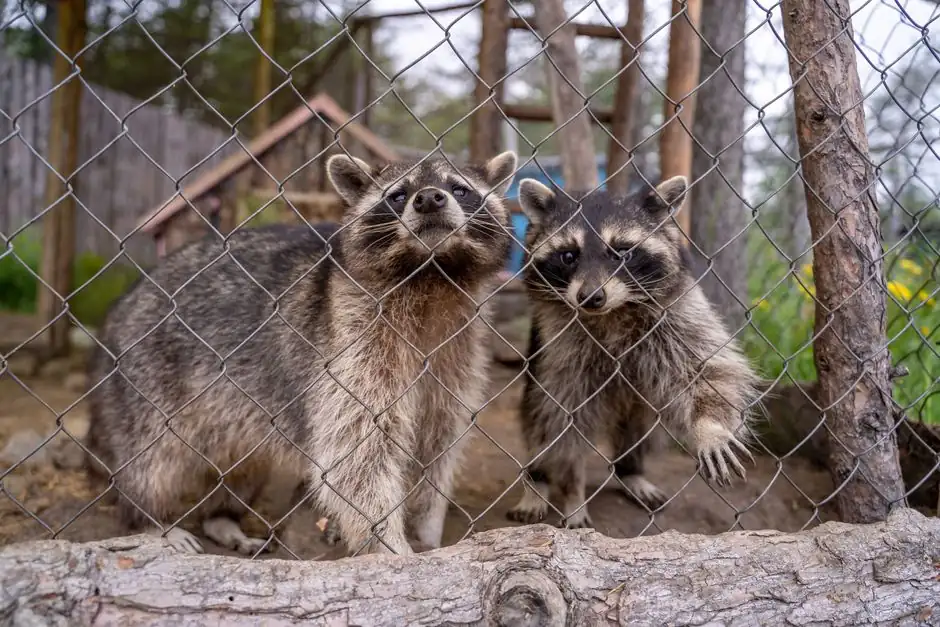
- Raccoons: Known for their dexterous paws, raccoons often raid trash cans and can cause significant damage.
- Opossums: While generally harmless, they can carry diseases and create a mess if they take up residence.
- Squirrels: These agile creatures can enter attics and cause damage to insulation and wiring.
- Snakes: Some species are harmless, but others can be venomous, making identification crucial.
Understanding the behavior and habits of these animals can help you devise a plan for removal. For instance, raccoons are primarily nocturnal and are often attracted to food sources like pet food or garbage.
Common Wildlife Encounters
Many homeowners report wildlife encounters during specific times of the year. For example, during the spring and fall, animals may be more active as they search for food and nesting sites. Here are some typical scenarios:
- Raccoons rummaging through garbage cans at night.
- Opossums found under decks or sheds.
- Squirrels nesting in attics or eaves.
- Snakes basking in the sun on patios.
In areas like Orlando, where urban development meets natural landscapes, these encounters can be more frequent.
Safe Removal Techniques
When you encounter wildlife, your first instinct may be to scare them away. However, this can lead to panic and aggressive behavior. Here are some safe removal techniques:
- Secure Food Sources: Ensure that garbage bins are tightly sealed and pet food is brought inside at night.
- Use Deterrents: Natural deterrents like cayenne pepper or commercial repellents can discourage animals from entering your property.
- Humane Traps: If necessary, use humane traps to capture animals. Ensure you check local regulations on trapping and relocating wildlife.
- Seal Entry Points: Once the animal is removed, seal any entry points to prevent future invasions. This is especially important for structures like attics where rodents may enter.
For persistent issues, consider professional wildlife removal services to handle the situation safely and effectively.
Legal Considerations
Before attempting to remove wildlife, it's essential to understand the legal implications. Many species are protected by state and federal laws, which means:
- You cannot harm or kill protected species without a permit.
- Relocation of certain animals may also be illegal.
- Local ordinances may dictate how and when wildlife can be removed.
In Florida, the Florida Fish and Wildlife Conservation Commission (FWC) provides guidelines on wildlife management. Always check local regulations before taking action.
When to Call a Professional
If wildlife removal becomes overwhelming or if you encounter potentially dangerous animals, it's best to call in professionals. Florida Pest Services specializes in general pest control and wildlife management, ensuring safe and effective removal.
Professionals have the training and tools necessary to handle wildlife safely, minimizing risks to both the animals and your family.
Frequently Asked Questions
1. What should I do if I see a raccoon during the day?
Raccoons are nocturnal creatures. If you see one during the day, it may be sick or searching for food. Avoid approaching it and consider contacting a professional.
2. How can I prevent wildlife from entering my home?
Seal entry points, secure food sources, and use natural repellents. Keeping your yard clean and free of debris can also deter wildlife.
3. Is it legal to relocate wildlife in Florida?
Relocation laws vary by species. Many animals cannot be relocated without a permit. Always check with local regulations.
4. What animals are considered wildlife in Florida?
Wildlife in Florida includes raccoons, opossums, squirrels, snakes, and various bird species, among others.
5. When should I call a wildlife removal service?
If wildlife poses a threat to your safety or property, or if you are unsure how to handle the situation, it's best to contact a professional.
Get help with Pest Control in Florida
If you're facing wildlife issues on your property, don't hesitate to reach out for help. Florida Pest Services is here to assist you with effective pest control solutions. Call us today at +18007798602.